Foto: CHICO RASTA
,, There are few individuals in Brazil, and here we have the mission of caring for a very important nursery.
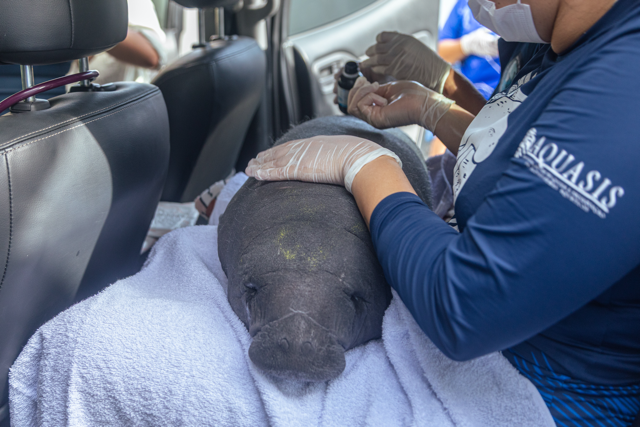
A baby manatee, only a few days old, was rescued three times on the same day at Carnaubinha Beach, in Luís Correia (PI). Serena, as the newborn was named, was quickly taken to the Aquasis base in Camocim (CE), where she underwent clinical stabilization and was later transferred to the Marine Mammal Rehabilitation Center in Caucaia, also in Ceará. The calf will remain under care until she is ready to be released. “Now, she will only return to the wild after six to eight years. She is a baby, and the rehabilitation process for these animals is very slow,” explains biologist Liliana Souza, president of the Ilha Ativa Commission (CIA), the organization responsible for the rescue.
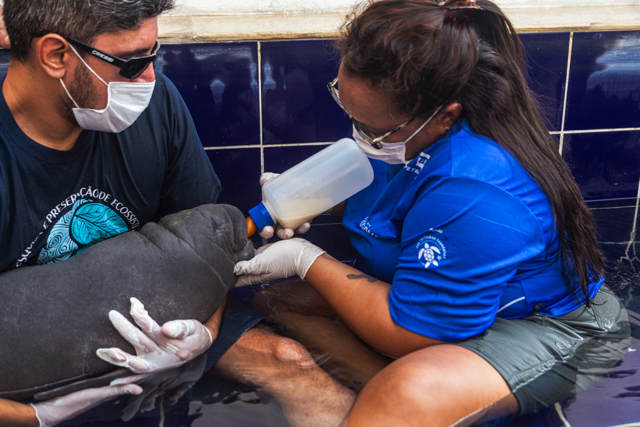
Without her mother, the newborn now requires a great deal of care to survive
At the time of the rescue, Serena measured about 1.23 meters, weighed 28 kg, and still had her umbilical cord, indicating total dependence on her mother. An adult of the species can reach up to 3.5 meters in length and weigh 500 kg. Although marine, the animal drinks fresh water from natural springs. Cases like Serena’s are usually linked to early separation from the mother, as the Timonha-Ubatuba estuary is a breeding area for the species, increasing the occurrence of stranded calves.
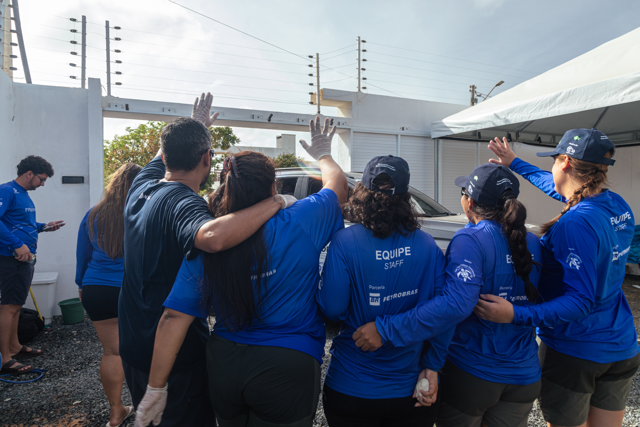
The rescue team says goodbye to the baby manatee
Serena had to be transferred from Piauí to Ceará due to the lack of adequate infrastructure for rehabilitation and acclimatization, an essential stage for reintegration into the wild. Since 2016, other animals rescued in the state have also been recovering outside the region. Since 2001, Ceará has had the first quarantine facility for manatee calves, operating at SESC Iparana in Caucaia.
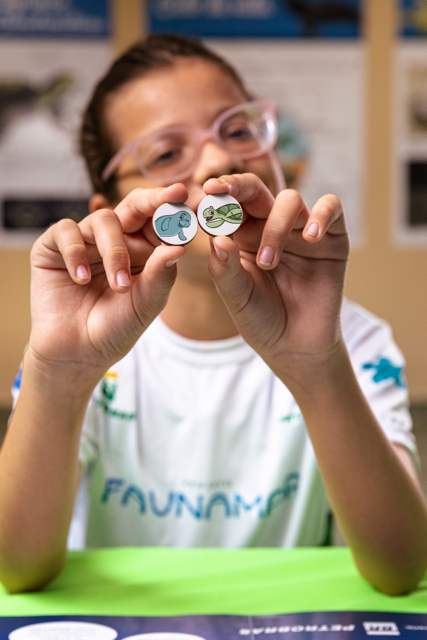
Faunamar Project educates to preserve
Specialists point out that Piauí is home to the largest continuous population of Antillean manatees in the country, playing a strategic role in the conservation of the species, which is at risk of extinction. Serena’s case highlights the importance of a rapid response to strandings, as well as the need for investment in infrastructure and cooperation between institutions. Currently, the calf is a symbol of the challenges and urgency of strengthening manatee conservation in Brazil.
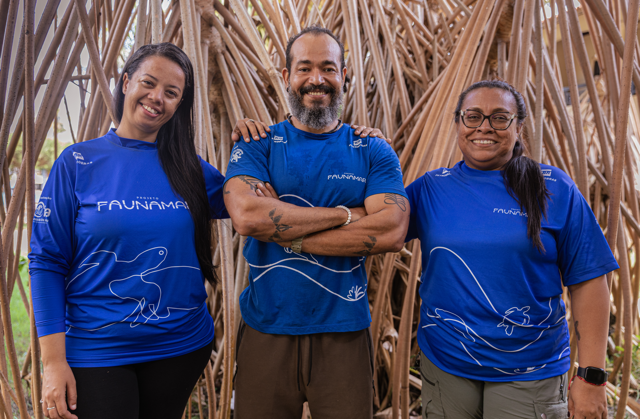
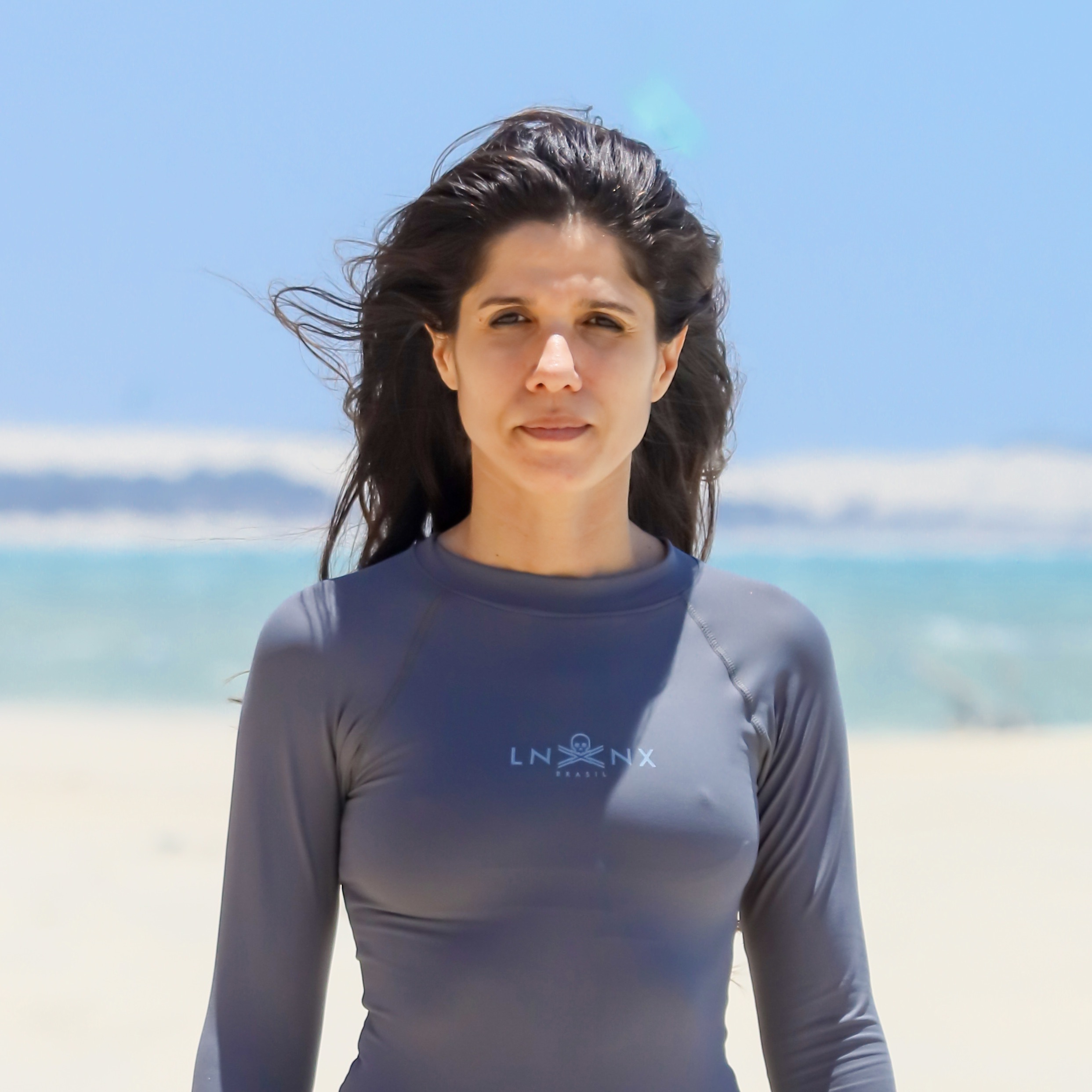
Kesley Paiva, Chico Rasta and Liliana Sousa; Faunamar biologists and photographer
This rescue was supported by the Faunamar Project, which has been operating since 2013 on the western coast of Ceará, in the estuary of the Timonha and Ubatuba rivers, on the border with Piauí. Chico Rasta, a photographer for the project, explains that this work is cyclical because protecting the animal is essential for ecosystem balance. “The manatee is extremely sensitive and threatened with extinction. There are few individuals in Brazil, and here we have the mission of caring for a very important nursery. This fills us with joy and responsibility, but one cannot talk about nature conservation without talking about the populations that inhabit these territories,” emphasizes the photographer. For him, the relationship with local communities is the foundation of the work: “We invite the community to learn with them. We learn from the land, from the animals, from the people. Our work is socio-environmental,” Chico concludes.
PHOTOGRAPHER: CHICO RASTA